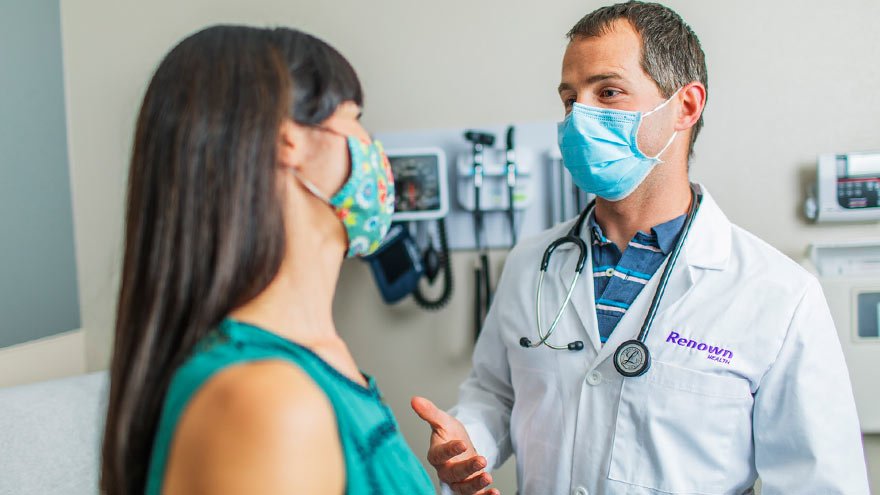
While viruses can attack year-round, colds, flus and other respiratory illnesses are typically more prevalent during fall and winter. People spend more time indoors, which allows viruses to pass more easily from one person to another. The cold, dry air can also affect the respiratory system, making it more susceptible to germs. According to the CDC, flu activity in the U.S. often begins to increase in October and peaks between December and February. “Flu season” can last as late as May.
"Preventative actions, such as washing your hands, covering your mouth and nose when coughing or sneezing and getting enough sleep can also help you avoid getting sick."
However, despite your best prevention efforts, the time may come this winter when you start to feel a little scratch in your throat or a fever coming on. By taking steps ahead of time to assemble a cold and flu survival kit, you’ll be more prepared for whenever illness strikes, allowing you to stay home, rest and avoid spreading germs.
Keep these tips in mind to ease your cold or flu symptoms:
Stay home and rest
Drink plenty of fluids
Treat aches and fever with over-the-counter medication such as ibuprofen or acetaminophen
Manage a cough with over-the-counter expectorants or suppressants
Run a humidifier or sit in a steamy bathroom to ease congestion
What to Stock in Your Flu Survival Kit
Be ready when a cold or the flu strikes by having a flu survival kit filled with these get-well essentials stocked in your pantry, fridge and medicine cabinet:
Over-the-Counter Medications
Take advantage of over-the-counter medications to make yourself feel better and ease most common flu symptoms of fever, headache, cough, muscle aches, sore throat, and runny or stuffy nose
Pain relievers - Ibuprofen (Motrin and Advil) or Acetaminophen (Tylenol): for fever and aches
Decongestants: for sniffles and congestion
Cough expectorant (guaifenesin): for a “wet” cough to help clear secretions from the lungs
Cough suppressant (dextromethorphan/DM): for a severe “dry” cough to block the cough reflex
Cough syrups and drops
What to Drink
Water
Herbal tea
Low-sugar sports drinks
Pedialyte
What to Eat
Chicken soup
Broth
Vitamin C-containing fruits and vegetables
Oatmeal
Toast (add some avocado, honey or egg)
Helpful Items to Have On-hand
Tissues
Lozenges
Protective mask
Thermometer
Humidifier
When Flu or Cold Symptoms Don’t Require a Visit
Most healthy adults with a cold, the flu, or other mild respiratory illnesses can recover at home with basic self-care.
These illnesses are caused by viruses, so antibiotics won’t help treat them.
A care provider may prescribe an antiviral medication to ease symptoms and shorten how long you’re sick.
Antivirals must be started within 48 hours of symptoms beginning to be effective.
They’re usually recommended for people at higher risk of complications or for those with severe symptoms.
When to Visit Primary Care or Urgent Care
Contact your Primary Care provider or visit an Urgent Care if you are at an increased risk, including those who:
Are 65 years of age or older
Have chronic medical conditions
Are pregnant or recently gave birth
Have a weakened immune system
If you are otherwise healthy and not at increased risk of complications, seek medical advice if your flu symptoms are unusually severe, such as mild difficulty breathing, a severe sore throat, coughing that produces a lot of green or yellow mucus or feeling faint.
When to Seek Emergency Care
Go to the Emergency Department if you are experiencing emergency warning signs such as severe pain (chest, abdomen), concern for heart attack or stroke (slurred speech, new localized weakness), severe dehydration (needing IV fluids) or severe shortness of breath.
Flu season is here and getting your annual flu shot is one simple way to help protect yourself, your loved ones and the community. Annual flu vaccination helps reduce the risk of flu illness, hospitalization and serious complications. It can also reduce the severity of illness for people who are vaccinated but still get sick.
A cough, fever or stuffy nose can leave you wondering: Is it the flu, COVID-19 or RSV? These respiratory illnesses share many symptoms, making it difficult to know what's causing you to feel sick. Understanding their differences can help you know when to get tested and seek medical care.
For patients in Fallon, Silver Springs and the surrounding rural northern Nevada communities, access to quality healthcare is a top priority. Some drive over two hours just to see a primary care provider or walk into an urgent care clinic. Practice Site Leader Erin (formerly a Sr. Medical Assistant for Renown Medical Group – Fernley) is one of the dedicated team members ensuring those patients feel seen, heard and cared for the moment they walk through the door.
What started as an externship close to home has grown into a fulfilling career marked by mentorship, professional growth and a deep passion for patient care. We sat down with Erin to learn more about her journey.