To be on the move is a scary concept when you’re recovering from surgery. But did you know getting up and at ’em could be the key to a quicker recovery, post-surgery? Here’s some expert insight from Renown Surgical Services.
The team at has some news for you: Rest and movement are important to prevent serious complications. Here are some tips about how to get mobile after your procedure — and why it’s fundamentally important.
Tip 1: Start Simple
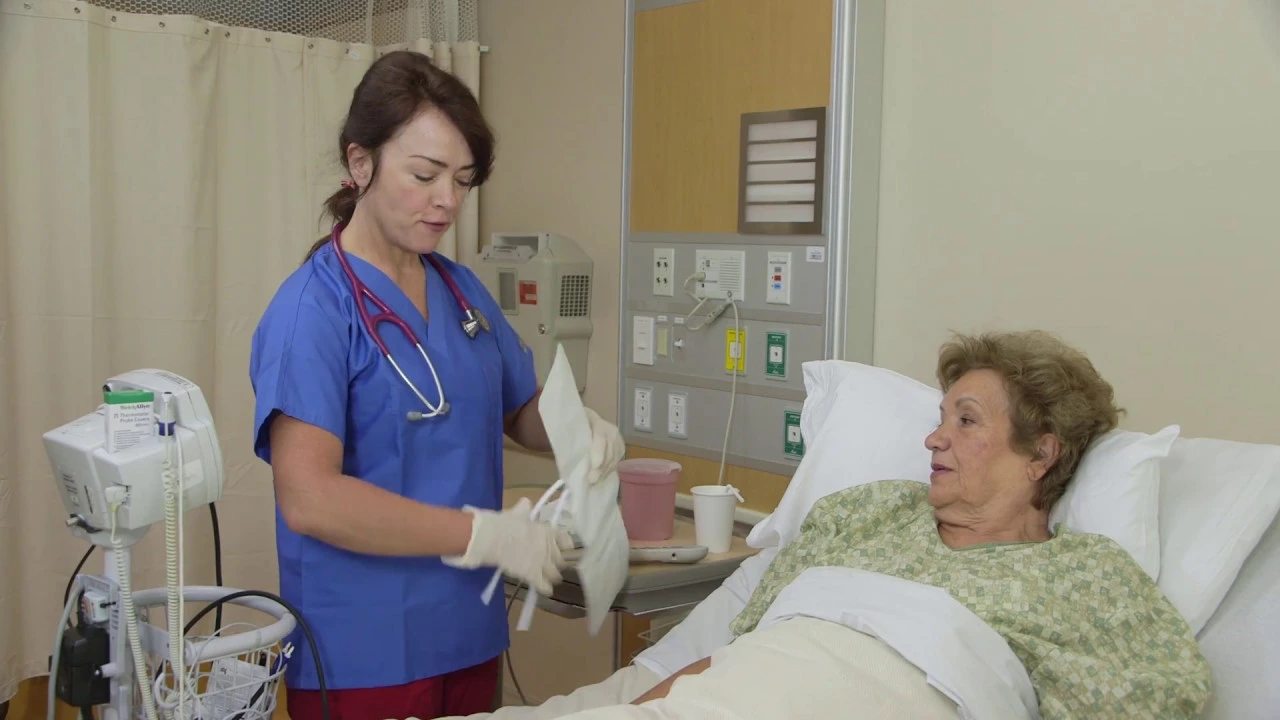
While you’re in bed, move your legs and feet up and down. Be sure to ask the nurses to help you get out of bed and into the chair for all your meals, or walk to the bathroom when needed. If you feel up to it, take a walk in the hallways with the nursing staff.
Tip 2: The Sooner, the Better
This may be surprising, but too much rest is not necessarily a good thing. The old saying “You use it, or you lose it” rings very true to maintaining the strength needed to get yourself out of bed.
Beginning the mobility process early in your hospital stay will not only help you maintain strength and function, it may also help you get home sooner. Though it may seem counter intuitive, lying in bed all day can delay your healing time and cause serious complications to arise, including pneumonia, deep vein thrombosis or blood clots, pressure ulcers and sometimes constipation.
Tip 3: Mobilize Your Support System
Getting out of bed, sitting in a chair for meals and walking around your room or hospital unit can help reduce your risk of complications. The nursing staff will help you out of bed the same day of your surgery if it’s cleared by your doctor.
Tip 4: Safety First
The nursing staff is here to keep you safe, so make sure you call them for assistance getting out of bed. Even if you think you can do it yourself, use your call light to notify the nursing staff you are ready to get up and move.
In addition, new medications can sometimes impair our judgment, balance and safety, so it’s always better to have help even though you may not need it. This is also why you may have a “bed alarm” on, to remind you to call for help and keep you safe while you are recovering.
Tip 5: Move, But Manage Your Pain
Many people find that getting up and moving actually helps their pain, rather than making it much worse. Taking the right amount of medication at the right times will minimize your pain and help you to get moving. Your care team will work with you on how much pain medication is right to manage any postoperative pain, with the goal for you to be comfortable enough to be able to move and gradually increase your activity each day.
Tip 6: Maintain that Momentum at Home
Mobility doesn’t end once you’re discharged from the hospital. It’s key to keep moving to maintain health and function.
When you first arrive home, it’s crucial to take frequent movement breaks throughout the day. Increase activity as it becomes more comfortable, and be sure to ease back into an active daily routine. If you have concerns about your mobility once home, be sure to discuss this with your doctor at your follow-up appointment.
Renown Surgical Services | 775-982-3993
Ask your doctor if you have any questions about your medical condition or the specific surgical procedure planned, or contact the team at Renown Surgical Services.
Weight-loss medications such as semaglutide and tirzepatide, commonly known as GLP-1s, have changed how obesity is treated. They can support meaningful weight loss while improving blood sugar, blood pressure and cholesterol.
Kenz always knew she wanted to work at Renown and in healthcare. As a kid, she pictured herself becoming a heart surgeon. But when she turned 21 and started researching career paths, she discovered a world of possibilities in healthcare. She found several entry points into the hospital setting and applied for three jobs at once: Patient Access Representative, Unit Clerk in the emergency room (ER) and Unit Clerk in the operating room (OR).
She got all three offers.
“They told me, ‘You get to pick,’” Kenz said. She chose the OR.
That decision, made early in her career, became the start of a path that would eventually place her at the center of the surgical team, doing work that directly changes patients’ lives.
Renown Health is proud to unveil a special new space just for breast health—created with your comfort and care at the center. So, what makes this place so special? Let's break it down.