Did you know that 1 in 5 women in the United States between ages 55 to 75 will experience a stroke during their lifetime? According to the Centers for Disease Control and Prevention (CDC), stroke is a leading cause of death among women. The good news? An estimated 4 in 5 strokes are preventable.
Stroke Symptoms in Women Aren't Always Easy to Recognize.
While many people know that facial drooping, arm weakness and slurred speech can signal a stroke, women may also experience less familiar symptoms.. These can include sudden confusion, nausea, vomiting or an unusually severe headache.
Recognizing these warning signs and acting quickly could save a life.
A stroke occurs when blood flow to part of the brain is blocked or when a blood vessel in the brain bursts. Without enough oxygen, brain cells can begin to die within minutes, making it critical to recognize the signs and call 911 right away..
Below, the stroke care medical experts at Renown Health share what women should know about stroke symptoms, treatment and prevention.
What Are the Warning Signs of a Stroke in Women?
Women can experience the same common stroke symptoms as men, including sudden weakness, difficulty speaking and changes in vision. However, some women may also experience symptoms that are less commonly associated with stroke.
Less familiar stroke warning signs may include:
- Sudden confusion or disorientation: Unexpected difficulty understanding what's happening or responding to others.
- Nausea or vomiting: Sudden unexplained nausea or vomiting, especially when accompanied by dizziness, headache or other neurological symptoms.
- Severe headache: An abrupt, extremely painful headache that may feel like the worst headache of your life.
- Unusual drowsiness or fainting: A sudden change in alertness or loss of consciousness.
- Sudden numbness or weakness: Unexpected weakness or loss of sensation, particularly on one side of the body.
- Persistent hiccups with other symptoms: Occasionally reported with certain strokes, especially when accompanied by dizziness, imbalance or other neurological changes.
These symptoms can have causes other than stroke. However, when they appear suddenly, particularly alongside other stroke warning signs, they should never be ignored.
Why Is Stroke Different for Women?
Stroke is a leading cause of death and long-term disability among women. Although stroke can affect anyone, certain health conditions and life stages can influence a woman's risk.
Women may face additional stroke risk factors related to pregnancy, high blood pressure during pregnancy, certain hormonal contraceptives and menopause.
Other risk factors, including high blood pressure, diabetes, smoking and high cholesterol, affect both women and men.
Because some stroke symptoms may be less familiar, understanding the warning signs can help women and their loved ones recognize when something isn't right.
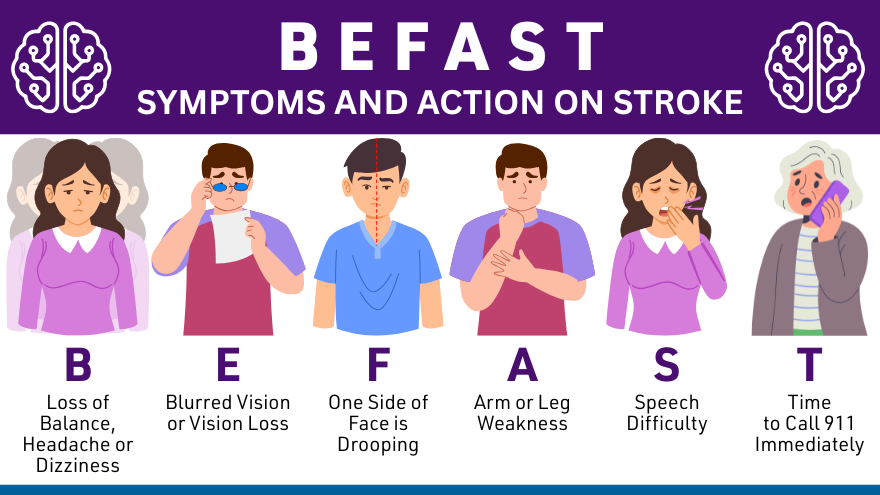
How Can You Recognize a Stroke? Remember B.E. F.A.S.T.
Use B.E. F.A.S.T. to quickly recognize common stroke warning signs—and call 911 if even one appears suddenly.
- B – Balance: Sudden dizziness, loss of balance or difficulty walking.
- E – Eyes: Sudden blurred vision, double vision or loss of vision in one or both eyes.
- F – Face: One side of the face droops or feels numb.
- A – Arms: Sudden arm weakness or numbness, especially on one side.
- S – Speech: Slurred speech, difficulty speaking or trouble understanding others.
- T – Time: Call 911 immediately if you notice any of these symptoms.
Not every stroke causes all these symptoms. Even one sudden warning sign is enough to seek emergency medical attention.
It's also important to remember that stroke symptoms can sometimes disappear after a few minutes. This may be a transient ischemic attack (TIA), often called a mini stroke. A TIA is a medical emergency and may be a warning sign of a future stroke.
Can Women Lower Their Risk of Stroke?
The good news is that many stroke risk factors can be managed through healthy lifestyle choices and preventive medical care. Small, consistent steps toward better health can make a meaningful difference over time.
Here are six ways to help reduce your stroke risk:
- Know your blood pressure. High blood pressure is a major stroke risk factor. Regular monitoring and treatment can help protect your brain and heart.
- Manage cholesterol and diabetes. Work with your healthcare provider to keep these conditions under control.
- Avoid smoking. Quitting smoking can significantly reduce your risk of stroke and other serious health conditions.
- Stay physically active. Regular exercise supports healthy blood pressure, circulation and overall cardiovascular health.
- Choose heart-healthy foods. Eating more fruits, vegetables, whole grains and other nutrient-rich foods can support brain and heart health.
- Talk with your healthcare provider about your personal risk. Certain conditions, including atrial fibrillation and sleep apnea, may increase stroke risk and require treatment.
Where Can You Find Stroke Care in Northern Nevada?
When a stroke happens, access to specialized care matters.
Renown Regional Medical Center is home to a nationally recognized Comprehensive Stroke Center, providing advanced evaluation and treatment for patients experiencing stroke.
Renown's multidisciplinary stroke care teams work together to diagnose strokes, deliver timely treatment and support patients throughout recovery.
From emergency care to stroke prevention education, Renown Health is committed to helping patients and families throughout northern Nevada receive the care they need.