
Patient Testimonials
“My annual mammograms have detected 3 lumps in the last 10 years.”

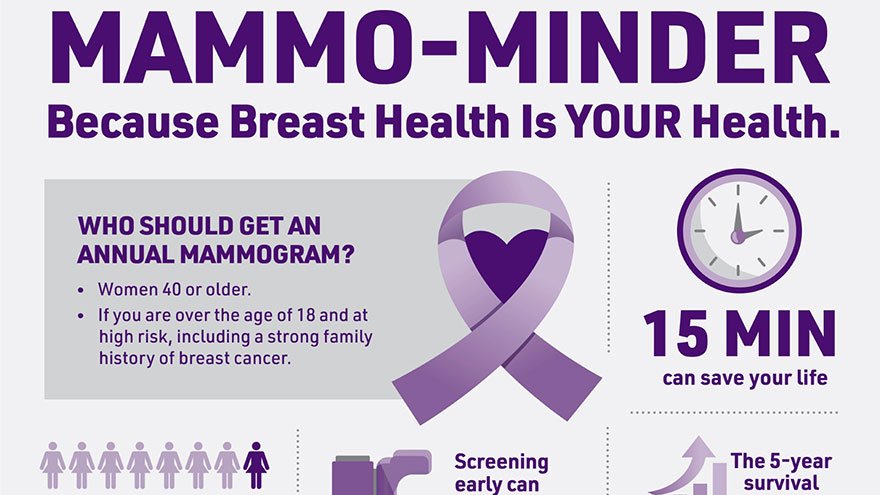
Regular mammograms are an important part of breast cancer screening and can help find breast cancer early, when it may be easier to treat. Renown offers 3-D mammography and additional breast imaging when needed, with convenient locations across northern Nevada.
Most mammograms can be scheduled online using our convenient booking link. Whether you’re new or returning, you can choose a location and time that works for you.
Book Online
Book your mammogram online. One link for new and returning patients!
Book Mammogram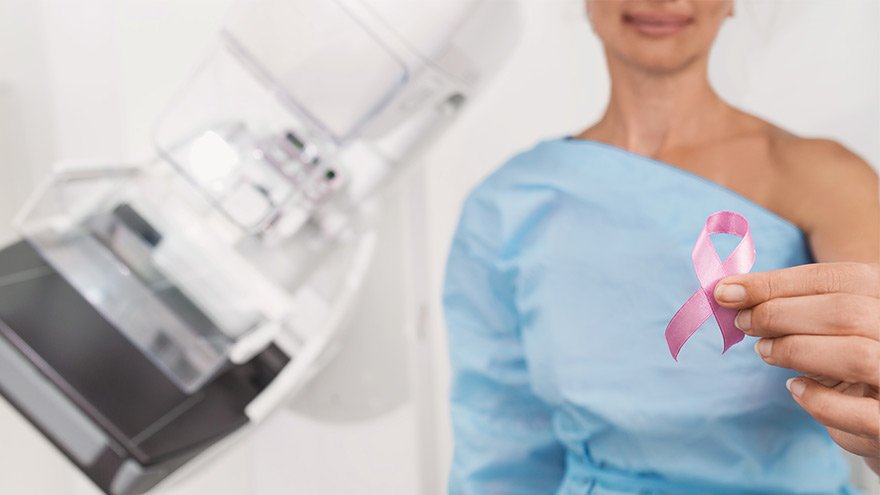
Although some women experience discomfort during a mammogram, most say it is not painful. Breast compression, which is important to get a clear image, can cause a sensation of pressure, but this lasts for a few seconds. Let your technician know how much pressure you can handle so you're not uncomfortable.
Not sure when to schedule your breast exam? These are the screening guidelines we follow:
Mammography plays a vital role in early breast cancer detection because it can show signs of cancer that are too small or subtle to feel.
The 3-D mammography technology at Renown Breast Health Center can detect 41% more cancers and reduces the number of false-positive results compared to other mammography.
Benefits of 3-D mammography:
The digital images can also be lightened, darkened and enlarged in real time, giving radiologists a better look at suspicious areas.
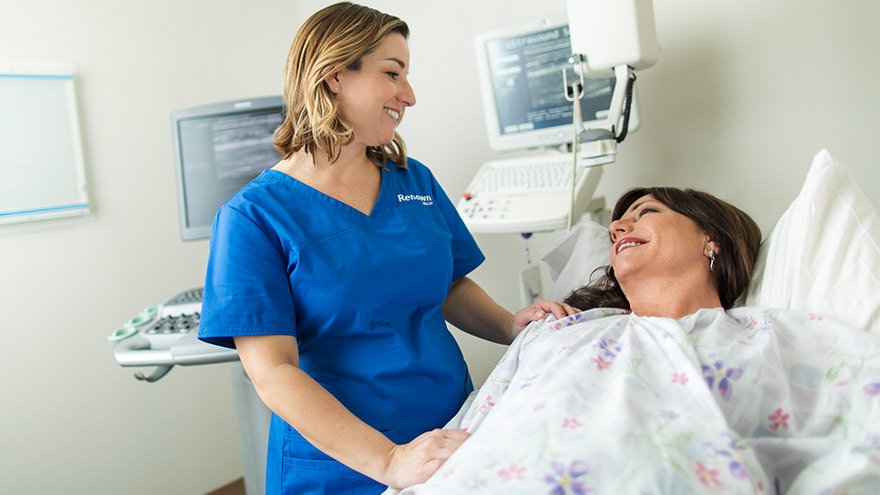
A whole breast ultrasound, also known as a sonogram, is a non-invasive procedure that uses sound waves (not radiation) to create images of the entire breast.
It can be used as a screening tool or as a follow-up test after an abnormal finding on another imaging test. The exam only takes about 20 minutes.
We recommend these exams if your mammograms show dense breast tissue. Dense breast tissue and cancer both look white on a mammogram.
If your mammogram shows you have dense breasts (less fatty, more connective tissue), you may want to consider a whole breast ultrasound in addition to your mammogram.
Check with your insurance company to determine if whole breast ultrasounds are covered.
If cancer is detected, your care is reviewed by a multidisciplinary breast cancer team to guide treatment early. A dedicated nurse navigator supports you from diagnosis through treatment and beyond.
Renown’s breast cancer program is nationally accredited by the National Accreditation Program for Breast Centers (NAPBC). The William N. Pennington Cancer Institute earned accreditation from National Accreditation Program for Breast Centers (NAPBC).