3 DIY Face Masks for Glowing Skin
October 1, 2026
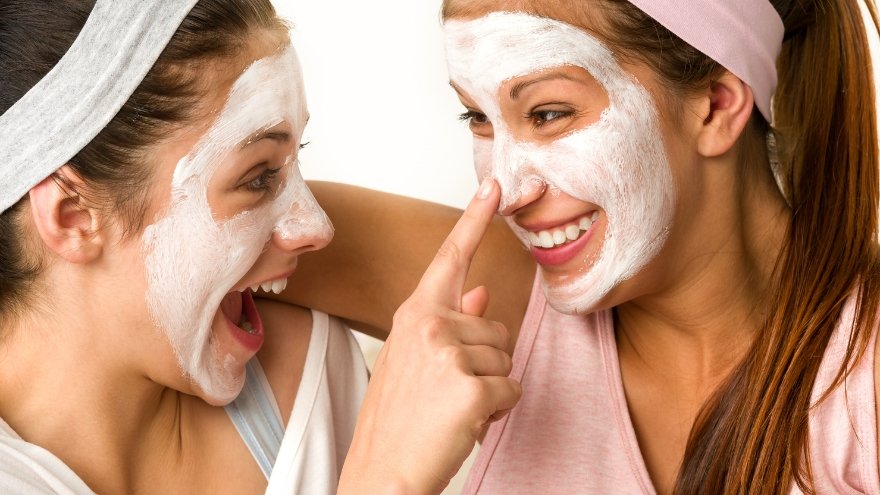
Cooler weather can mean drier skin, making fall a good time to give your skin a little extra care. And a few seasonal favorites from your kitchen can make an easy at-home face mask.
Apples, pomegranates and pumpkin are fall staples — and they can also be used in simple DIY skin-care recipes. Before you get mixing, remember that even natural ingredients can irritate sensitive skin. Test a small amount first, and stop using a mask if you notice burning, itching or redness.
Apple and Oatmeal Face Mask
Apples contain naturally occurring antioxidants, including vitamin C. Pairing apple with oatmeal and honey creates a simple fall-inspired mask that can feel soothing and refreshing on the skin.
What You'll Need
- ½ small apple
- 1 tablespoon finely ground oatmeal
- 1 teaspoon honey
How to Make It
- Puree the apple until smooth.
- Stir in the oatmeal and honey.
- Apply a thin layer to clean skin, avoiding the eye area.
- Leave on for 10 to 15 minutes.
- Rinse gently with lukewarm water and pat your skin dry.
Tip: Skip scrubbing when you remove the mask. Let the oatmeal rinse away gently rather than using it as an exfoliant.
Pomegranate Face Mask
Pomegranates are packed with naturally occurring antioxidants and make a colorful addition to this simple seasonal mask.
What You'll Need
- 1 tablespoon pomegranate juice
- 2 tablespoons plain, unsweetened yogurt
How to Make It
- Mix the pomegranate juice and yogurt until combined.
- Apply a thin layer to clean skin.
- Leave on for 5 to 10 minutes.
- Rinse thoroughly with lukewarm water.
Because fruit juices can irritate some skin types, start with a short application and rinse immediately if your skin begins to sting or burn.
Pumpkin and Honey Face Mask
Pumpkin contains beta-carotene and vitamins naturally found in the fruit. Combined with honey and plain yogurt, it makes an easy fall face mask with a smooth, creamy texture.
What You'll Need
- 2 tablespoons plain pumpkin puree
- 1 tablespoon plain, unsweetened yogurt
- 1 teaspoon honey
Be sure to use plain pumpkin puree — not pumpkin pie filling.
How to Make It
- Stir the pumpkin, yogurt and honey together until smooth.
- Apply an even layer to clean skin, avoiding the eye area.
- Leave on for 10 to 15 minutes.
- Rinse with lukewarm water and pat dry.
- Follow with your usual moisturizer.
A Few Skin-Safety Tips
DIY doesn't always mean gentle. Before trying a homemade face mask:
- Test it first. Apply a small amount to an area of skin before using it on your face.
- Don't scrub. Ground seeds, nuts and other coarse ingredients can irritate the skin.
- Avoid irritated skin. Don't apply a mask to sunburned, broken or already irritated skin.
- Keep it short. Leaving a mask on longer doesn't necessarily make it work better.
- Rinse if it burns or stings. Your skin shouldn't hurt during a face mask.
If you have sensitive skin, eczema, rosacea, acne or another skin condition, talk with a dermatologist before adding new ingredients to your routine.
If your skin is craving a glow-up, it’s time to treat yourself to the Classic Facial + Omnilux — the perfect combo of self-care and science, brought to you by the experts at Renown Dermatology, Laser & Skin Care. Think of it as a reset button for your face, just in time for summer. Whether you're prepping for poolside selfies or simply want to feel your freshest, this fun, feel-good treatment is your go-to.
Spring is here — but is your skin still stuck in winter? Cold, dry air can do a number on your body’s largest organ. These quick tips from Renown Dermatology, Laser & Skin Care will help you bounce back with soft, hydrated skin.
Seeking protection from the intense sun rays at northern Nevada's elevated altitudes? With so many choices available, selecting the ideal sunscreen can be daunting. To guide you through this, we consulted Dr. Angela Walker, a dermatologist from Renown Medical Group, for her expert insights.