Blood. It can make you squeamish to think about it, yet every drop is vital to your health. In fact, a tiny vial of it can tell your doctor a wealth of information. We asked Benjamin Hansen, M.D, to explain what providers can learn from a blood test and why it’s important to get one as part of your annual checkup.
CBC, the initials, sound innocent enough, right? In fact, when your favorite TV doctor orders a CBC, or complete blood count, it’s often the first step in getting an overall picture of your health. "It primarily measures white blood cells, red blood cells and platelets," explains Hansen. Although a blood test is one test you don’t have to study for, the measurements it takes can point to a host of information.
What a Blood Test Says About Your Health
White Blood Cell Count
"The white blood cell count in your CBC helps us to determine the strength of your immune system," says Hansen. "It also helps us to determine the likelihood of infection because white blood cells fight off infection. Knowing the white blood cell count can also be helpful in patients with compromised immune systems, such as those on certain medicines or with conditions that impair immunity," he adds.
White blood cells are made in your bone marrow and are alive only one to three days. Therefore, your body is constantly making them.
Red Blood Cell Count
"The red blood cells carry oxygen from your lungs throughout your body, while also carrying away waste. The hemoglobin (red blood cell protein) count is important because it helps us determine how well you're able to deliver oxygen from your lungs to the rest of your body," states Hansen. If these counts are low, you may have trouble breathing or experience fatigue. Red blood cells also grow in bone marrow, but they have a long lifespan – generally 100 to 120 days.
Why Get a Blood Test?
Although the CBC is just one type of blood test, according to the National Institutes of Health (NIH) there are a number of blood tests available that can help check for diseases and conditions such as:
- Heart disease
- Cancer
- Anemia (low iron)
- Diabetes
- High cholesterol
- Alcohol or Drug use disorder
- HIV/AIDS
Additionally some tests show how well your kidneys, liver, heart and other organs are working. If you are taking a medication, a blood test can also let your provider know if it is helping you.
What to Expect From a CBC Blood Test
When you are not feeling well, it may take some detective work to figure out what is wrong and sometimes a CBC can be helpful. With this in mind, a lab order from your provider is needed to order a CBC blood test.
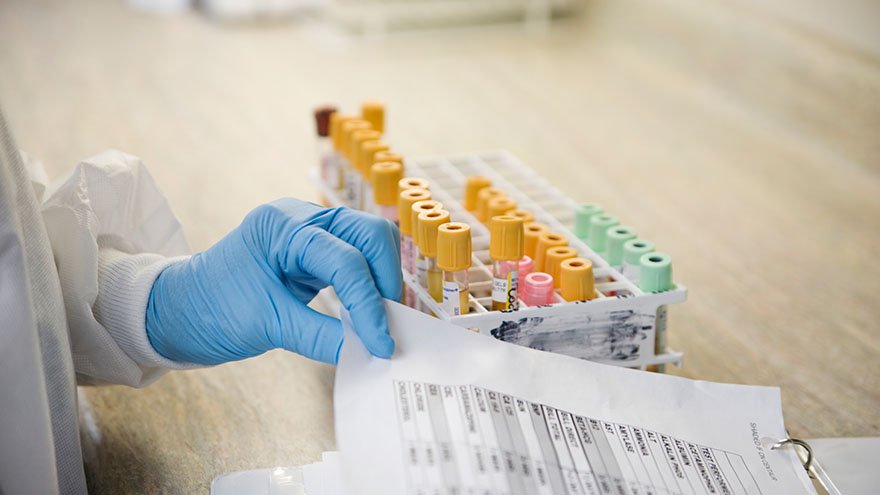
Some blood tests require you to not eat food (fast) eight to 12 hours before the blood draw. Your provider will let you know the type of blood test(s) they are ordering for you. Usually it's important to drink plenty of water before your blood test, to make it easier to locate your veins. Generally a small sample of blood is taken from your arm vein and then sent to a lab for analysis.
Discussing Your Results
"A CBC can help your provider determine if there is an infection, your level of immunity, if you are anemic or if you are prone to bleeding," says Hansen.
When to Get a Blood Test
"A CBC is usually ordered for a specified purpose. If you think you might need a CBC, please call your provider. It's also important to see your provider regularly to keep an eye on your health. Many patients should see their provider at lease yearly," Hansen clarifies.