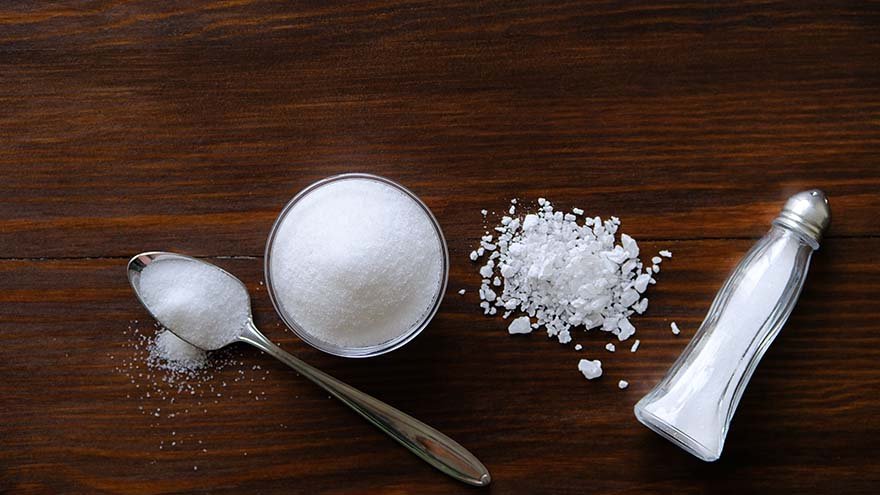
Excess amounts of sodium doesn’t just increase your risk of a heart attack, it can also increase your risk of a stroke. Unfortunately, avoiding that saltshaker may not be enough.
Did you know that the average American consumes 3,400 milligrams of sodium each day? That’s a dangerous number considering that the American Heart Association recommends limiting daily sodium intake to 1,500 milligrams (about half the weight of a penny) to reduce the risk of heart disease and stroke. The problem is not necessarily that you’re putting too much salt on your food, it’s that salt is already in the foods you’re regularly eating.
To help keep your sodium intake at a healthy level, make sure you’re aware of “The Salty Six,” six sneaky foods that are surprisingly high in sodium.
Breads, Rolls and Tortillas: Although breads and tortillas may not initially appear to be high in sodium, we often consume several servings. Make sure to keep track of your total servings to see how they add up.
Deli Meat, Cured Meats and Poultry: It may surprise you that six thin slices of deli meat can add up to more than half of your daily limit, so be mindful when building those sandwiches. Also, do your best to avoid cured meats, which often means the meat has been salted. Substitute uncured, skinless meats instead.
Cheese: Salt is an important addition in the cheese-making process, as it prevents bacterial growth. Unfortunately, that added salt can increase your health risks. Limit the amount of cheese you add to meals to keep your sodium content down.
Pizza: Take a quick look at the first three items above and it should be no surprise as to why pizza made the list. One slice and you’ve met at least half of your daily limit. Go easy on the cheese and try adding more veggies instead of meat.
Canned Soup: One cup of canned soup can be as high as nearly 1,000 milligrams of sodium. When shopping for canned soup it’s important to check the label – not just on sodium content but serving size as well. Always select low-sodium options when possible or cook your own soup at home.
Sandwiches and Burgers: A sandwich or burger from your favorite restaurant can contain more than 100 percent of your daily sodium limit. When dining out, it is best to select low-sodium options or eat a half portion to limit the amount of salt.
If some of your favorite foods are on this Salty Six list, don’t panic. Although these foods can be high in sodium, it isn’t necessary to cut these foods out of your diet completely. It’s just important to eat them in moderation and be mindful of your daily sodium intake. Look for low-sodium options, use herbs and spices instead of table salt and do your best to stay under the recommended daily limit of 1,500 milligrams.”
It’s American Heart Month, and when it comes to heart health, Renown Health doesn’t skip a beat.
Here are four ways you can celebrate Heart Month this February:
Heart disease affects more women than many people realize. In fact, it is the leading cause of death among women in the U.S., taking the lives of about 305,000 women each year. That’s about 1 in every 3 female deaths.
Nearly half of Americans over age 20 have high blood pressure—also known as hypertension—and many are unaware of their condition. Without proper management, hypertension significantly increases the risk of heart disease and stroke.
As the region’s only not-for-profit academic health system and a leader in cardiology care, we are dedicated to advancing both clinical and technological expertise. Effectively treating hypertension, including resistant cases, is essential to meeting our community’s needs and offering essential and advanced care options.