First Aid Tips for All Types of Burns
August 7, 2023
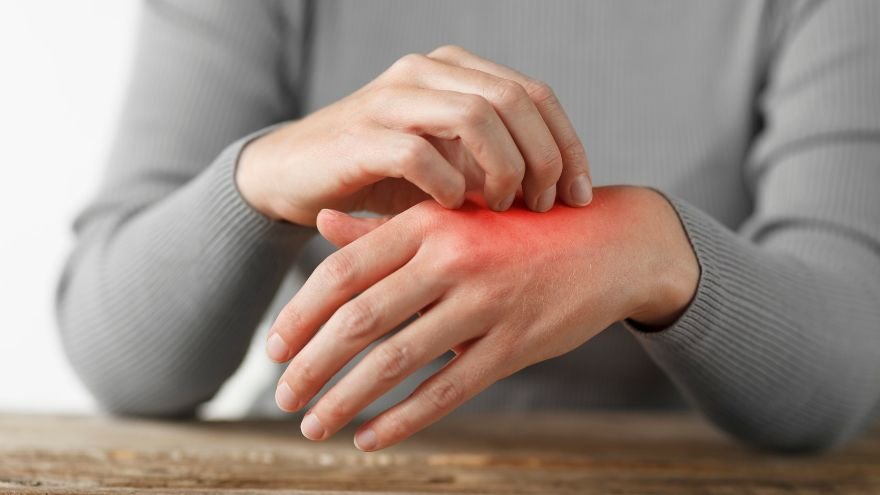
As families spend more time outdoors to enjoy the summer temperatures, it's important to be aware of potential hazards that can lead to burns – be it sunburns, burns sustained while grilling or navigating the hot surfaces often found around pool decks and parks. All these burn types are not only painful but can also cause severe damage to the skin and require immediate medical attention.
Ross Albright, MD, an emergency care physician, explores effective preventive measures to avoid burns during the summer and discusses when it's essential to seek medical care.
Stay Sun Safe
While soaking up the sun is a favorite summer pastime for many, it's important to protect your skin from harmful ultraviolet (UV) rays. Sunburns not only damage the skin but also increase the risk of more severe burns.
Follow these tips for staying safe in the sun:
- Apply broad-spectrum sunscreen with a minimum SPF of 30 before heading outdoors and reapply every two hours.
- Seek shade during peak hours of sun intensity, typically between 10 a.m. and 4 p.m.
- Wear protective clothing, such as wide-brimmed hats, sunglasses and lightweight, long-sleeved garments.
Fire and Hot Object Safety
Summer is full of fun outdoor activities like BBQs, campfires and fireworks, all of which can pose a fire hazard if not handled carefully.
To prevent burns caused by fires:
- Maintain a safe distance from open flames and grills and always use oven mitts or potholders when handling hot objects.
- Keep a fire extinguisher and a first aid kit readily available.
- Keep children away from hot objects and fireworks and educate them about the dangers of touching or playing with them.
Hot Surface Safety
Asphalt, metal slides and surfaces around the pool retain heat and are likely to be significantly hotter than other materials such as a wooden picnic table to grassy pathway (these can still be hot too!). So, it's crucial to be cautious around these materials to prevent burns:
- Use caution when near hot surfaces surrounding water sources, such as pool decks or metal slides.
- Always wear shoes when walking on hot surfaces such as asphalt, concrete and even sand.
- Ensure that playground equipment such as slides and swings are cool to the touch before your kiddos start climbing around.
Recognizing Severity of Burns and Seeking Care
Despite our best efforts, burns can still occur. It's essential to know when a burn requires medical attention:
- First-degree burns, characterized by redness, pain and minor swelling, can typically be treated at home with cool water and over-the-counter pain relievers such as ibuprofen (Advil or Motrin) or acetaminophen (Tylenol).
- Second-degree burns, which may cause blistering and more intense pain, should be evaluated by a healthcare professional.
- Third-degree burns, indicated by charring or blackened skin, deep tissue damage or burns that cover a large area, require immediate emergency care.
Preventing burns during the summer is paramount to enjoying a safe and enjoyable season. By following these tips, you can significantly reduce the risk of burns and ensure prompt medical attention when necessary. Stay informed, stay safe and have a burn-free summer!
If you or someone you know experiences a burn, it's important to seek immediate medical care.
A cough, fever or stuffy nose can leave you wondering: Is it the flu, COVID-19 or RSV? These respiratory illnesses share many symptoms, making it difficult to know what's causing you to feel sick. Understanding their differences can help you know when to get tested and seek medical care.
For patients in Fallon, Silver Springs and the surrounding rural northern Nevada communities, access to quality healthcare is a top priority. Some drive over two hours just to see a primary care provider or walk into an urgent care clinic. Practice Site Leader Erin (formerly a Sr. Medical Assistant for Renown Medical Group – Fernley) is one of the dedicated team members ensuring those patients feel seen, heard and cared for the moment they walk through the door.
What started as an externship close to home has grown into a fulfilling career marked by mentorship, professional growth and a deep passion for patient care. We sat down with Erin to learn more about her journey.
Recent cold-water incidents in the region serve as an important reminder that cold water affects the body differently than cold air. Sudden immersion can trigger an involuntary gasp reflex, impair breathing, and quickly reduce a person's ability to swim or stay afloat. Understanding these risks, recognizing the signs of cold-water distress, and taking simple safety precautions can help everyone enjoy the water more safely.