Can Stress and Depression Affect Your Heart? Yes—Here’s How
January 22, 2026
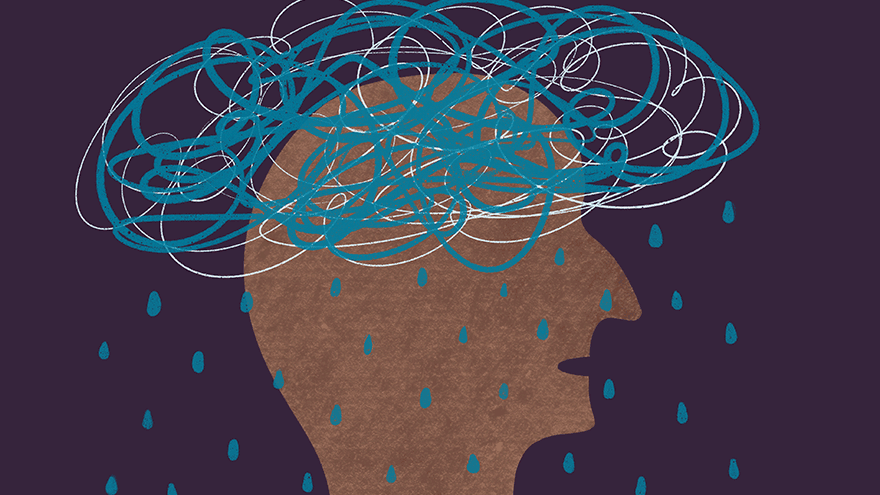
Most people focus on blood pressure, cholesterol, and exercise when thinking about heart health. However, your emotional well-being is just as important. Problems like ongoing stress and depression can raise your risk of heart disease, heart attacks and other serious health issues.
Let’s explore how your mind and heart are linked, and why caring for both matters for your overall health.
The Stress Response: What It Does to Your Heart
Everyone experiences stress, but when it lasts a long time, it can strain your heart. Stress triggers your body’s “fight or flight” response, releasing hormones such as cortisol and adrenaline. Over time, this can cause:
- High blood pressure
- Increased heart rate
- Inflammation in your arteries
- Higher cholesterol levels
These changes force your heart to work harder than normal. If this goes on for too long, your risk of high blood pressure, heart attack, and stroke increases.
Depression and Heart Health: A Two-Way Street
Depression affects more than just your mood. It can also harm your physical health, especially your heart. Research shows that people with depression are more likely to get heart disease. After a heart attack, those with depression often recover more slowly and have a higher risk of more heart problems.
Why does this happen? Depression can lead to:
- Poor sleep quality
- Unhealthy eating or lack of appetite
- Less physical activity
- Smoking or alcohol use
- Increased inflammation in the body
All these factors can lead to heart problems. That’s why it’s so important to look after your mental health.
Signs You Shouldn’t Ignore
It’s not always easy to know if stress or depression is affecting your heart. Watch for these signs that your mental health could be impacting your physical health:
- Ongoing fatigue or low energy
- Trouble sleeping or sleeping too much
- Changes in appetite or weight
- Feelings of hopelessness or anxiety
- Rapid heartbeat or chest discomfort (always get this checked)
If you notice any of these symptoms, talk to your doctor. If you have a rapid heartbeat, chest discomfort, or chest pain, get medical help right away to make sure it’s not something serious. Remember, mental health is just as important as physical health, and both deserve attention.
Steps You Can Take to Support Your Mind and Heart
You’re not alone, and you can take steps to protect both your mental health and your heart:
- Talk to a professional: A therapist can give you tools to manage stress. If therapy isn’t available, try self-help books, online resources, or local workshops about mental wellness. Support groups, either in your community or online, can also offer helpful advice and encouragement.
- Move your body: Regular exercise improves mood and strengthens your heart.
- Eat heart-healthy meals: Choose foods like fruits, vegetables, lean proteins, and whole grains.
- Sleep well: Aim for 7 to 9 hours of quality sleep each night.
- Build a support system: Keep in touch with friends and family who make you feel good.
- Practice stress-reducing habits: Try deep breathing, yoga, journaling, or mindfulness exercises.
It’s All Connected
Your mental and physical health are closely connected. Looking after your emotional well-being isn’t a luxury—it’s a key part of preventing heart disease and staying healthy overall.
If you feel overwhelmed, remember you’re not alone. Ask for support and try making small, steady changes to care for your heart and mind. You could start by taking a 10-minute walk each day or spending a few minutes journaling. These simple steps can add up to real improvements over time.
At Renown’s Crisis Care Center, Peer Support Specialists help patients through some of the hardest moments of their lives with compassion, practical support and a steady presence. We sat down with Valerie Butler, a Peer Support Specialist at the Crisis Care Center, to talk about what brought her to this work, what a typical shift looks like and why crisis care is such a critical resource for our community.
May is Mental Health Awareness Month, and this year, we want to focus on a topic that doesn't receive enough attention: mental health during pregnancy and the postpartum period.
For patients with substance use disorders (SUD), hospitalization can be a critical opportunity to begin treatment and recovery. Renown Health's new inpatient consultation-liaison service brings board-certified physicians directly to the bedside to provide evidence-based care, support and care coordination for patients experiencing SUD.