

PCOS Symptoms, Causes and Treatment
Irregular periods, stubborn acne, unwanted hair growth or trouble getting pregnant can sometimes seem unrelated. But for many people, these symptoms may be connected to polycystic ovary syndrome (PCOS).
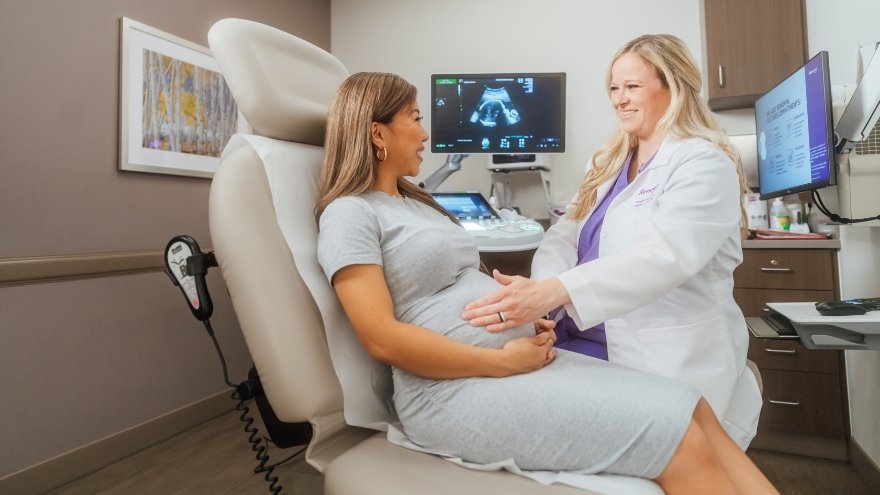
May is Mental Health Awareness Month, and this year, we want to focus on a topic that doesn't receive enough attention: mental health during pregnancy and the postpartum period.
As psychiatry residents in Nevada, we see firsthand how often pregnant and postpartum patients are left without support due to a persistent and dangerous myth: that psychiatric medications are automatically more harmful than untreated mental illness during pregnancy.
Pregnancy is often a joyful, uncomplicated time for many people. But for others, it can also be a period of depression, anxiety, obsessive compulsive disorder (OCD), childbirth-related post-traumatic stress disorder (PTSD), substance use and other psychiatric conditions.
Perinatal depression, which is depression that occurs during pregnancy or in the year following delivery, affects approximately 1 in 7 people with no prior psychiatric history and nearly 2 in 5 people who have experienced mental illness before. Despite how common it is, perinatal depression remains underdiagnosed and undertreated, and only a fraction of those get care for these conditions.
The consequences of untreated mental illness in pregnancy are serious. Research links untreated mood and anxiety disorders to:
Maternal mental illness is also a leading cause of pregnancy-related death in the U.S., and suicide remains one of the leading causes of postpartum mortality.
One of the most common misconceptions is that psychiatric medications should always be stopped during pregnancy because they are dangerous to a developing baby. Believing this myth can lead people to stop medications abruptly without consulting their doctor, avoid seeking care altogether, or make decisions based on incomplete information rather than balanced, evidence-based counseling.
Any discussions about medication risk and safety must also include dialogue about the risks of untreated mental illness. The most common antidepressants, particularly selective serotonin reuptake inhibitors (SSRIs), are among the most studied medications in pregnancy. Decades of data have not proved clear evidence of major birth defects associated with SSRI use. While some exposures carry small risks, such as temporary newborn adjustment symptoms, these must be weighed honestly against the well-documented risks of leaving a mood or anxiety disorder untreated. For some conditions, the stakes of stopping medication are high. In bipolar disorder, for example, suddenly discontinuing a mood stabilizer during pregnancy can result in relapse rates as high as 85–100%.
The goal of psychiatric care is not to eliminate all risks: it is to make thoughtful, individualized decisions that protect both the mother's health and the health of the pregnancy.
Whether you are pregnant, planning a pregnancy, postpartum or supporting someone who is pregnant, here are some important takeaways:
The information in this article is intended for general educational purposes only and does not constitute medical advice. It is not a substitute for professional medical evaluation, diagnosis or treatment. Please consult your own doctor with any questions or concerns about your mental health or pregnancy care.
Mental Health Awareness Month is an opportunity to move beyond stigma and toward honest, evidence-based conversations. For pregnant and postpartum patients, that means acknowledging that mental health care is not optional: it is part of comprehensive prenatal care.
If you or someone you love is navigating mental health challenges during pregnancy or the postpartum period, we encourage you to reach out to your care team. You don't have to navigate this alone.
Sarin Pakhdikian, DO, is a PGY-4 psychiatry resident at Kirk Kerkorian School of Medicine at UNLV. Carissa Klarich MD, is a PGY-4 psychiatry resident at the University of Nevada, Reno School of Medicine.